This is not a comb

Giant wall comb - AYIDA / DUAFE
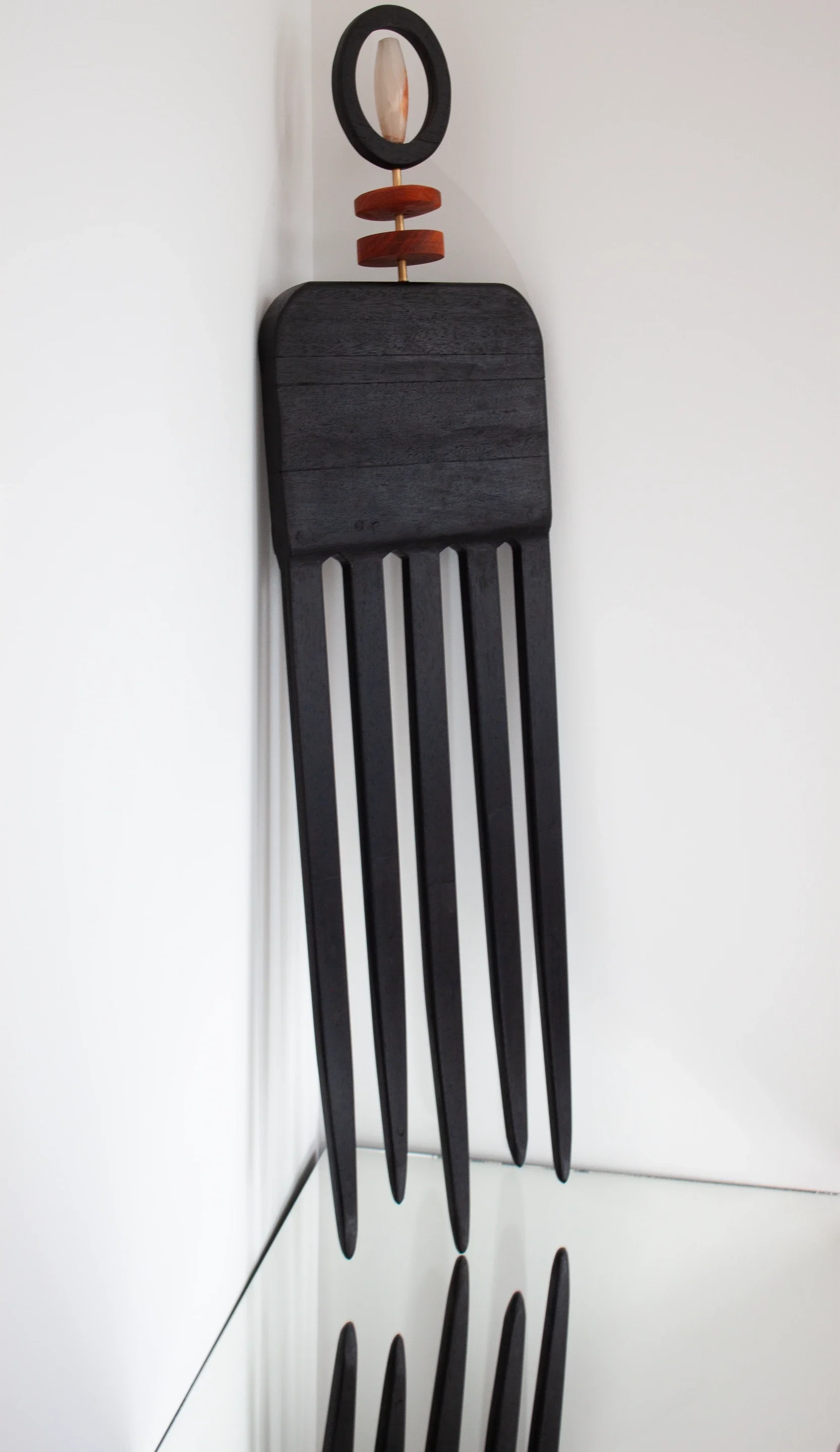
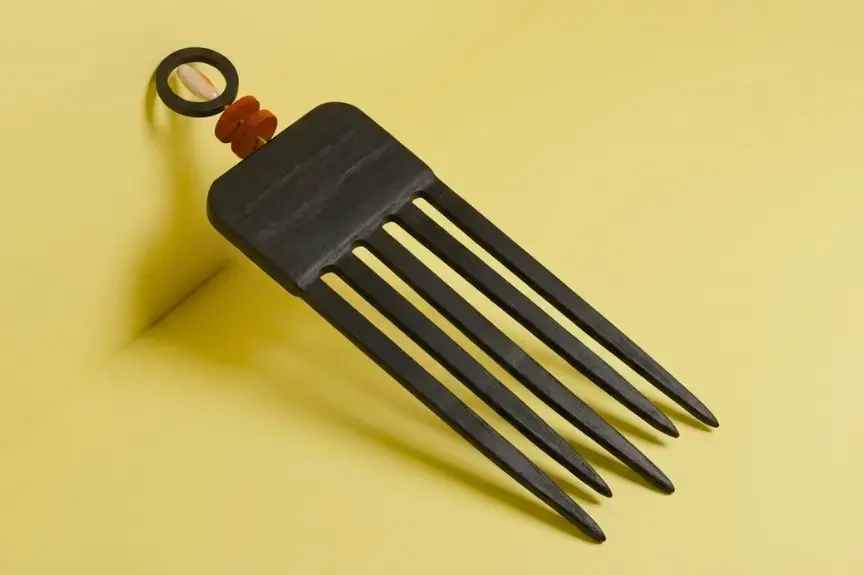
Wall piece in recycled padauk wood - 110 cm
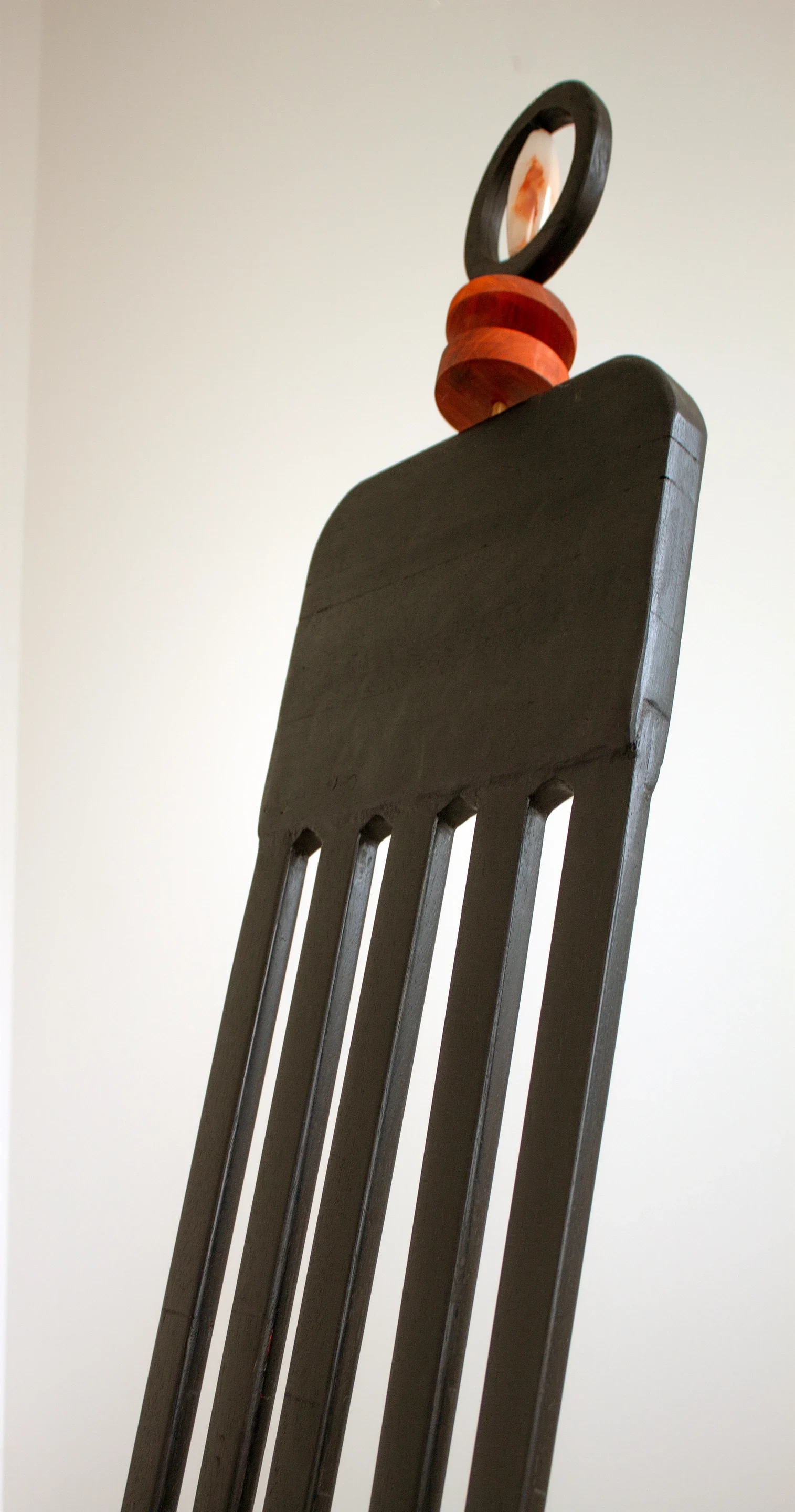
This is not a comb is a 110 cm giant comb carved from recycled padauk offcuts. Inspired by the adinkra symbol AYIDA / DUAFE, it celebrates pride in Afro hair, femininity and cultural transmission with an eco-design approach. Around the world, the wide-toothed wooden comb is a strong symbol of pride in Afro hair.
In Ghana this comb is a strong symbol, an integral part of the ancestral and contemporary landscape. "DUAFE" for the Akans (to whom the Ashanti people belong) and "AYIDA" for the Ewes, it stands for femininity, purity and beauty.
These wall pieces of contemporary African design are objects whose making produced close to zero waste.
Price on request
Price on request
In detail
This is not a comb.
It is a whole symbol, an Akan, even Ashanti, symbol and also an Ewe / EƲE symbol
Around the world, the wide-toothed wooden comb is a strong marker of identity and of pride in Afro hair. In Ghana it is an integral part of the landscape, both ancestral and contemporary. An everyday object turned cultural symbol, it crosses generations, uses and territories.
Among the Akans, notably the Ashantis, it is called DUAFE.
Among the Ewes / eƲe, AYIDA.
In both cultures it embodies femininity, purity, beauty and the care given to oneself.
With this monumental 110 cm wall piece, Hel;ZA Design offers a contemporary reading of this strong African symbol. The comb changes scale, leaves the hand to take over the wall, and becomes an object whose design sits on the border between art, craft and cultural manifesto. It is a piece to contemplate, share and tell.
Made from an assembly of padauk offcuts, each comb is unique. The marks, shades and irregularities of the wood are deliberately kept, a reminder that the material has already lived. The making of this piece, like that of the collection of decorative wall combs in smaller sizes, follows an approach where the amount of waste produced is close to zero.
More than a decorative object, This is not a comb is a piece of transmission, which questions the place of African symbols in our contemporary interiors and celebrates a plural beauty, embraced and visible.